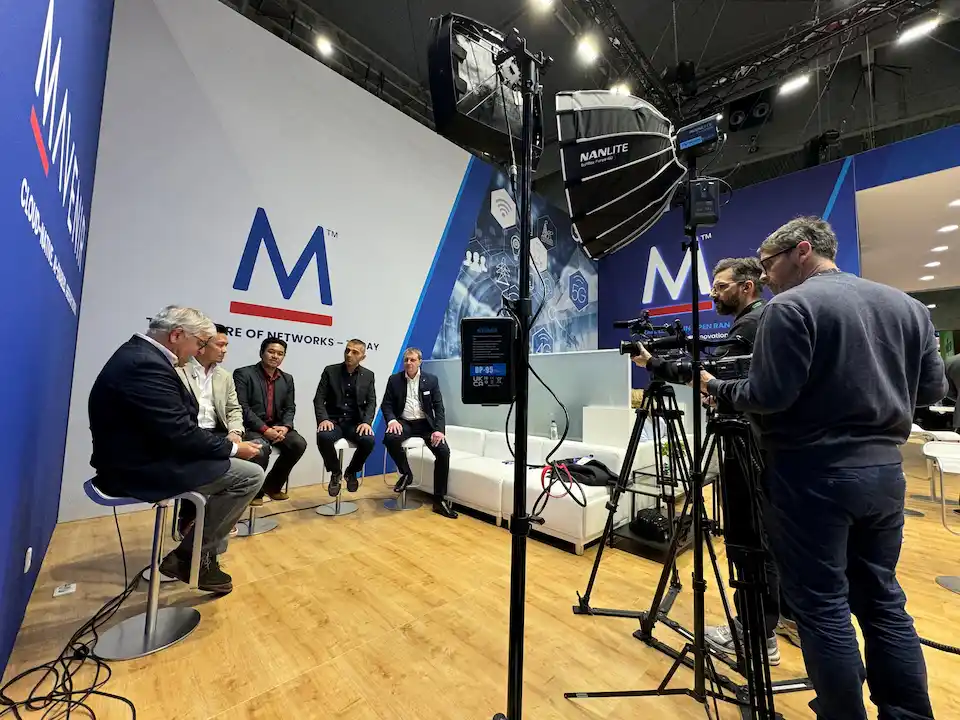
International productions hire local film crew in Spain because local teams reduce production cost, navigate the country’s fragmented permit system, and bring vendor relationships that imported crew cannot replicate. Most standard roles benefit directly from that local knowledge. A small number of specialist roles justify travel costs when the crew member’s value is inseparable from their equipment or a client mandate.
Most international productions that film in Spain don’t arrive with a full crew. They bring a director, sometimes a DOP, occasionally an agency producer, and they hire the rest in-country. That pattern is not a cost-cutting compromise. It reflects how experienced productions work when they’re operating in a country they don’t know on the ground.
This guide covers what drives that choice, what it costs to bring crew from home, and the specific circumstances when importing your own specialists makes more sense than hiring locally.
Local vs International Film Crew in Spain: What the Decision Involves
The question is not whether local crew is better than yours. It’s which roles benefit from local knowledge and which don’t.
A DOP travelling with a camera package they’ve spent years calibrating is a different calculation from flying in a location manager who has never navigated a Spanish film office or dealt with a municipal permit authority. The division most international productions land on is straightforward: bring the people who own irreplaceable relationships or equipment, hire locally everyone who benefits from knowing the territory.
Most shoots we staff involve this split. The client brings creative decision-makers. We supply the video crew in Spain: camera operators, gaffers, sound mixers, runners, and drivers. The local contingent knows the permit offices, the vendor network, and how production moves on the ground in Spain.
What Local Film Crew in Spain Brings That Imported Crew Cannot
Permits and film office access
Spain’s permit system is fragmented by city, region, and location type. Madrid’s Film Office operates under different rules from Barcelona’s two-tier system. Seville requires sequential authorisations across multiple municipal departments. A crew that hasn’t worked within these systems regularly doesn’t know which applications to prioritise, which contacts to call when an approval stalls, or how to restructure a location list when a permit falls through at short notice.
Our film permit network across Spain is built over 15 years. We know which municipal offices process applications in 48 hours and which require three weeks of advance planning. That knowledge does not transfer from a crew working here for the first time.
Vendor networks and equipment access
Local crew bring vendor relationships that reduce costs and accelerate logistics. When we contact an equipment house in Madrid or Barcelona, we’re working with suppliers who have serviced our shoots for years. Response times, availability, and pricing all reflect that relationship. Productions arriving without local crew don’t have access to the same terms, and the gap shows in turnaround times and rental rates.
Language and institutional communication
Most Spanish permit authorities, location managers, and property owners communicate in Spanish. Crews that can’t negotiate directly in Spanish lose control of those conversations and become dependent on intermediaries who may not understand production logistics. Institutional communication in Spain also follows conventions that take years of local experience to navigate: knowing who to call, when to follow up, and how to frame a production request to a government office are not instincts that transfer from a home market.
Labour law compliance
Spain’s labour law requires employment contracts for camera operators, gaffers, sound mixers, and most other technical crew roles. Misclassifying them as freelancers carries fines of €3,000 to €10,000 per person. The legal requirements for hiring film crew in Spain covers which positions trigger contracts and how productions stay compliant. Local crew operating through an established production company already work within these structures. Imported crew operating outside them can expose your production to penalties that were never in the budget.
The Cost of Bringing Your Own Crew to Spain vs Hiring Locally
The comparison looks simple at first: Spanish day rates against home country day rates. It rarely stays that simple once travel is accounted for.
Cost factor
Hiring locally in Spain
Importing crew from home
Day rate
Competitive within Europe
Home country rate
Travel overhead
None
€800–€1,500 per person per shoot day (flights, accommodation, per diem)
Equipment transit
Local rental, no customs process
ATA carnet required: 3+ working days to process, additional fees
Labour compliance
Handled by local production company
Requires separate employment structure; non-compliance risk
Permit and vendor access
Established relationships
No prior network
For a five-day commercial shoot with four crew members flying in from London, the travel overhead alone can match the entire local crew budget for the same production. Spanish local crew rates are competitive within Europe, and camera operators, gaffers, and sound mixers in Madrid and Barcelona work to professional broadcast and commercial standards. The quality argument for flying in most crew roles doesn’t survive the cost comparison.
The exception is equipment-specific specialists. A Steadicam operator with a rig configured to specific tolerances, a colourist travelling with a proprietary grading setup, an underwater camera operator with their own housing: these justify the travel cost. Most standard crew roles don’t.
When Bringing Your Own Specialists to Spain Makes Sense
There are legitimate reasons to import crew from outside Spain. Understanding them prevents the opposite error of over-localising a production that needs continuity with a home team.
Client-mandated roles are the most common case. Some brands require their established DOP or director on every shoot regardless of location. That’s a creative and relationship decision, not a logistics one. We integrate client-side creatives into locally-staffed shoots regularly.
Specialist equipment operators are the second category. Where the crew member’s value is inseparable from their equipment, local substitution isn’t practical. A specialist high-speed camera operator travelling with a proprietary rig is the clearest example. We’ve worked alongside these specialists at Circuit de Barcelona-Catalunya and other Spanish venues and handle the local production infrastructure around them.
The assumption that a specific skill isn’t available locally is worth testing before booking flights. Spain has deep technical crew across commercial, documentary, broadcast, and sports production, and most specialisms that international productions look for are represented.
What 15+ Years of International Productions in Spain Has Shown Us
Since 2008, we’ve staffed and managed shoots across Spain for broadcasters, brands, and production companies from the UK, USA, and Europe. Local knowledge produces results that a location database cannot replicate.
For the Intersport Spring/Summer campaign, we chose Málaga as the production base in January: competitive crew rates, reliable mild weather, and a location profile that matched a brief asking for a generic European city, at a fraction of the cost of a Northern European equivalent. For the Puma x JD Sports Cali Dreams campaign, our knowledge of Alicante’s specific urban locations produced a list that matched the campaign’s visual identity directly. Neither outcome was available through an imported crew working from a standard location database.
Mixed crews work best when the division is decided before pre-production, not on arrival. We confirm crew for planned shoots within 24 to 48 hours as standard. On one occasion we assembled a fully equipped camera team within 24 hours of initial enquiry for a documentary production that had no room for standard lead times. That response time is a function of a local network built over 15 years, not a baseline expectation that replaces advance planning.
This website uses cookies so that we can provide you with the best user experience possible. Cookie information is stored in your browser and performs functions such as recognising you when you return to our website and helping our team to understand which sections of the website you find most interesting and useful.
3rd Party Cookies
This website uses Google Analytics to collect anonymous information such as the number of visitors to the site, and the most popular pages.
Keeping this cookie enabled helps us to improve our website.
Please enable Strictly Necessary Cookies first so that we can save your preferences!