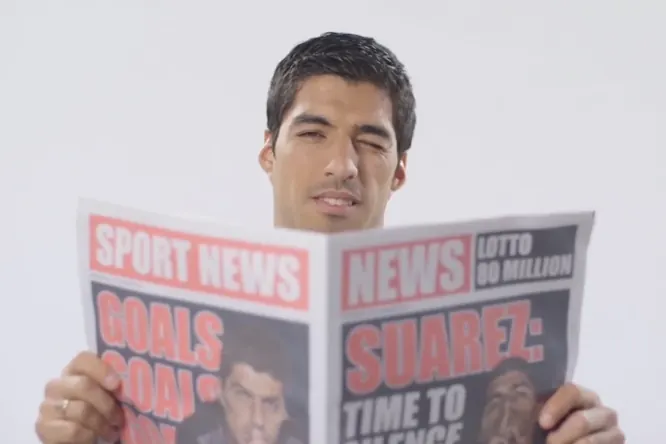
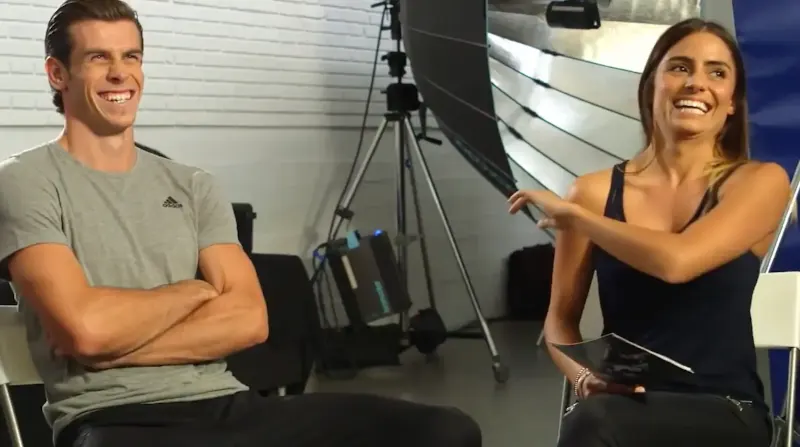
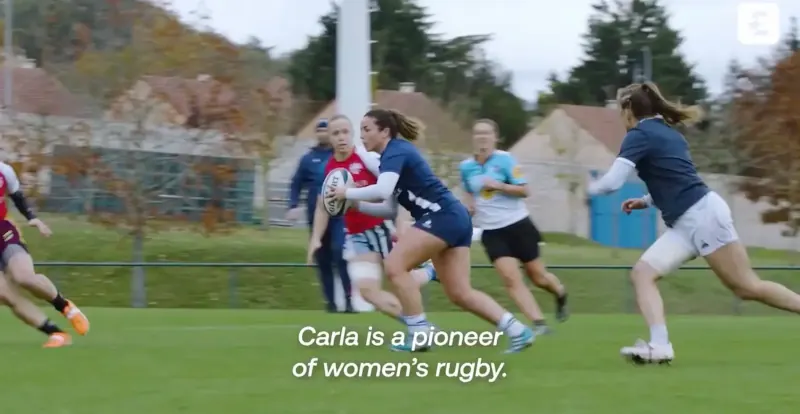
As a video production company specialised in sports content, among others, we’ve had the privilege of working with some of the world’s most recognizable athletes since 2008. From Messi and Cristiano Ronaldo to Pelé, from Xavi and Beckham to the next generation like Jude Bellingham, Vinicius Jr., and Lamine Yamal. We’ve filmed for EA Sports, ESPN, Adidas, Nike, and Puma. We’ve worked inside FC Barcelona’s facilities and Real Madrid’s inner sanctum.
After hundreds of elite athlete video productions across Spain, we’ve learned that filming legends isn’t about having the fanciest equipment or the biggest crew: it’s about understanding what actually makes these productions work when you have 90 minutes and zero room for error.
Here’s what 15+ years taught us.
What 15+ Years of Elite Athlete Video Productions Taught Us About Sports Content
The 90-Minute Reality: Elite Athletes Don’t Have Time to Waste
Let’s be direct: when you’re filming Messi, Ronaldo, or any top-tier athlete, you don’t get the luxury of a relaxed shoot day. You get 90 minutes. Maybe two hours if you’re lucky. That’s it.
Their schedules are managed down to the minute. Training sessions, recovery protocols, media obligations, and family time.
Everything is planned. The window you get is the window you use, and there’s no “can we get one more take?” if you’ve run over. This time constraint changes everything about how you approach production.
Pre-Production is Where You Win or Lose
By the time the athlete walks into the studio or onto the pitch, every single technical decision has been made. Lighting is set. Camera positions are locked. Shot list is sequenced for maximum efficiency. Equipment is tested twice, at least.
We learned this the hard way on early projects. You can’t troubleshoot a gimbal issue when Cristiano Ronaldo is standing there ready to go. You can’t spend 20 minutes adjusting lighting when you only have 90 minutes total.
Now? We arrive three hours early for every elite athlete shoot. We rehearse with stand-ins. We run through every shot. We have backup equipment for the backup equipment.
Sequence Shots by Setup, Not by Creative Logic
The client’s creative vision might call for outdoor shots first, then studio work. But if the athlete is available at 2pm and natural light is perfect at 4pm, you shoot the studio content first. Always optimize for efficiency and the athlete’s time, then figure out the edit later.
We structure shot lists by:
Location (minimize movement between setups)
Lighting setup (group all similar lighting conditions)
Wardrobe changes (if any)
Complexity (start simple to build momentum)
This approach has saved us countless times when unexpected delays happen (because they always do, any professional knows it).
Build in a Buffer They Don’t Know About
When EA Sports books an athlete for 90 minutes, we plan to capture everything we need in 60. That extra 30 minutes? That’s our buffer for the inevitable:
Here’s what most production companies get wrong: they treat elite athletes like untouchable celebrities. Full of reverence, scared to give direction, trying not to “bother” them.
We learned early that this approach creates awkward, stiff content.
The reality? These are people who got where they are through discipline, teamwork, and taking direction from coaches. They respond to clear communication and genuine human connection, not people walking on eggshells around them.
Make Them Part of the Crew, Not Above It
On our shoots, there’s no special treatment in terms of respect dynamics. Obviously our production crews are professional and aware of their status, but the vibe is collaborative. “We’re all here to make something great together” rather than “we’re lucky to be in your presence.”
This starts with how our crew behaves:
Director of Photography introduces themselves directly, explains what they’re trying to capture, asks if the athlete has any concerns about angles or framing
Sound technician explains mic placement rather than just approaching with equipment
Director walks through the shot list like they’re discussing game strategy, not dictating commands
When you treat elite athletes as collaborators who bring their own expertise (which they do since they know how they look on camera better than anyone), they relax. And relaxed athletes give you authentic content.
Clear Direction Wins Over Timid Suggestions
Beckham, Xavi, Nadal… they all appreciated direct, confident direction. Not arrogant of course, but clear.
“David, we need you to move three steps to your left and look directly at camera when you say that line” works better than “um, maybe if you wanted to, you could possibly shift a bit that way?”
Elite athletes are used to coaches giving them precise instructions. They respect competence and clarity. Tentative direction wastes their time and creates uncertainty about whether they’re giving you what you need.
We brief our directors before every elite athlete shoot: be confident, be clear, be respectful. That combination works.
Behind the Scenes in Elite Sports Filming: What Surprised Us Most
After 15+ years, we’ve developed pretty accurate expectations for how these shoots go. But athletes still surprise us.
The biggest surprise? How different their on-camera personalities are from their public personas.
Xavi and Gareth Bale: Comedy Gold You Rarely See
Xavi Hernández, an absolute football genius, known for his serious and cold tactical mind, is hilarious in person. Same with Gareth Bale. Both are far funnier and more relaxed than their serious on-pitch personas suggest.
During our Adidas shoot with Xavi, he spent half the downtime between takes joking with our crew and keeping everyone loose. The content was professional and polished, but the atmosphere was more like filming with a friend than a football legend.
Bale was similar. Dry British humor, constantly making self-deprecating jokes, putting the whole crew at ease.
Why this matters for brands: If you’re creating content with elite athletes, there’s often a relaxed, personable version of them that audiences never see. Some brands want the serious, focused athlete. Others want to reveal the personality behind the player. Both are authentic: you just need to know which version you’re trying to capture and create the environment that brings it out.
The Next Generation is More Media-Savvy
Working with younger athletes like Jude Bellingham, Vinicius Jr., and Lamine Yamal compared to the previous generation? Completely different experience.
These athletes grew up with social media. They understand content creation intuitively. They know their angles. They’re aware of what works on Instagram vs. TikTok vs. YouTube. They often have input on creative direction that actually improves the content.
For brands producing sports content in 2025, this is significant. The relationship between athlete and production team is becoming more collaborative. Athletes increasingly function as content creators themselves, not just subjects being filmed.
Location Strategy for Sports Film Production: Why Private Facilities Win
We’ve filmed athlete content in public spaces, private studios, club training facilities, and stadiums. After hundreds of productions, we almost always push for private facilities or club grounds when possible.
Why? Three reasons.
Security and Privacy Trump Everything
For athletes at the level of Messi, Ronaldo, or even rising stars like Bellingham, public filming creates security concerns that complicate everything. Their management teams and the athletes themselves simply cannot relax when there’s risk of fans, paparazzi, or security incidents.
Private studios or club facilities eliminate these concerns. The athlete can focus on the production instead of constantly being aware of their surroundings.
We’ve seen the difference firsthand. The same athlete in a private facility vs. a public location? Completely different energy. Private facilities get you better, more authentic content because the athlete can actually be present.
Club Facilities Provide Authenticity
When we’re filming football content, there’s something about shooting at FC Barcelona’s Ciudad Deportiva or Real Madrid’s Valdebebas training ground that adds legitimacy money can’t buy.
The environment is familiar to the athlete. The equipment is what they use daily. The space feels right. This authenticity translates directly to the final content: it doesn’t look or feel staged because it isn’t.
For brands like Nike, Adidas, and Puma creating sports content, this environmental authenticity is valuable. Audiences can tell the difference between content shot in a generic studio and content captured where these athletes actually train.
Logistics Become Manageable
Private facilities or club grounds also solve dozens of logistical headaches:
Talking about Barcelona video production or Madrid video production, our relationships with major clubs and access to professional private facilities give international brands a significant production advantage. You’re not gambling on public location permits or weather – you’re filming in controlled environments designed for professional sports.
Efficient Technical Execution for High-Quality Sports Filmmaking
The 90-minute constraint and high-profile nature of these productions demand the technical precision we don’t compromise on. Here’s how we deliver broadcast quality under pressure.
Multi-Camera is Non-Negotiable
For any elite athlete production, our camera and gear department runs minimum three-camera setups, usually four or five. Why? You cannot ask Cristiano Ronaldo to repeat a take because you want a different angle. You get it right the first time by coveringevery angle simultaneously.
Our typical elite athlete setup:
Camera A: Wide establishing shot
Camera B: Medium shot for primary coverage
Camera C: Tight shots, reactions, details
Camera D: B-roll, alternative angles
Camera E (when budget allows): Specialty rig (gimbal, slider, high-speed)
This approach gives the editor maximum flexibility and ensures we capture the client’s vision even if the athlete can only do something once.
Lighting Designed for Speed
Our lighting setups for elite athletes are designed for two things: speed and flexibility.
We use a base lighting package that works for 80% of shots, then have additional fixtures ready to quickly modify for specific looks. This means we can adapt lighting between takes in 2-3 minutes rather than 20.
Audio Backup Systems
With athletes, you often only get one good take. Audio failure is not an option.
We run redundant audio systems:
Primary wireless lav mic
Backup wireless lav (different frequency)
Boom mic for ambient and backup
Sometimes, a planted shotgun for additional safety
One system can fail. Two systems rarely fail. Three systems failing simultaneously? In 15+ years, it hasn’t happened.
Final Takeaways From 15+ Years of Sports Video Production Experience
If we could go back to 2008 and give ourselves advice before our first elite athlete production, here’s what we’d say:
Respect the time constraint. It’s not negotiable. Plan backwards from the 90-minute window and build in buffers everywhere.
Treat athletes like collaborators, not celebrities. Clear communication and genuine human connection get better content than reverence and timidity.
Invest in relationships, not just equipment. Access to FC Barcelona’s facilities or Real Madrid’s media team is worth more than the newest camera. Build relationships that last years.
Design for multiple platforms from day one. That approach of shooting and then figuring out how to crop for different platforms?Doesn’t work. Shoot with platform-specific requirements from the start.
Embrace the evolution. Sports content that worked in 2008 doesn’t work in 2025. Athletes are becoming content creators themselves. Behind-the-scenes authenticity often outperforms polished commercials. Production companies that adapt to these realities win.
Never compromise on backup systems. Elite athletes don’t give second chances. Your audio, cameras, and lighting need redundancy. Always.
The Reality of Elite Athlete Productions
After 15+ years and hundreds of productions with world-class athletes, here’s the truth: these shoots are challenging, high-pressure, and demanding. But when executed properly, they produce content that drives massive value for brands.
The athletes we’ve worked with – Messi, Cristiano Ronaldo, Pelé, Beckham, Suarez, Xavi, Nadal, Djokovic, and the next generation like Bellingham, Vinicius Jr., and Lamine Yamal – are professionals who appreciate production teams that respect their time, communicate clearly, and deliver quality.
Our role as a sports video production company is to make these challenging productions look effortless. The client gets incredible content with their chosen athlete. The athlete has a smooth, efficient experience. And we handle everything in between.
This website uses cookies so that we can provide you with the best user experience possible. Cookie information is stored in your browser and performs functions such as recognising you when you return to our website and helping our team to understand which sections of the website you find most interesting and useful.
3rd Party Cookies
This website uses Google Analytics to collect anonymous information such as the number of visitors to the site, and the most popular pages.
Keeping this cookie enabled helps us to improve our website.
Please enable Strictly Necessary Cookies first so that we can save your preferences!