The Brief
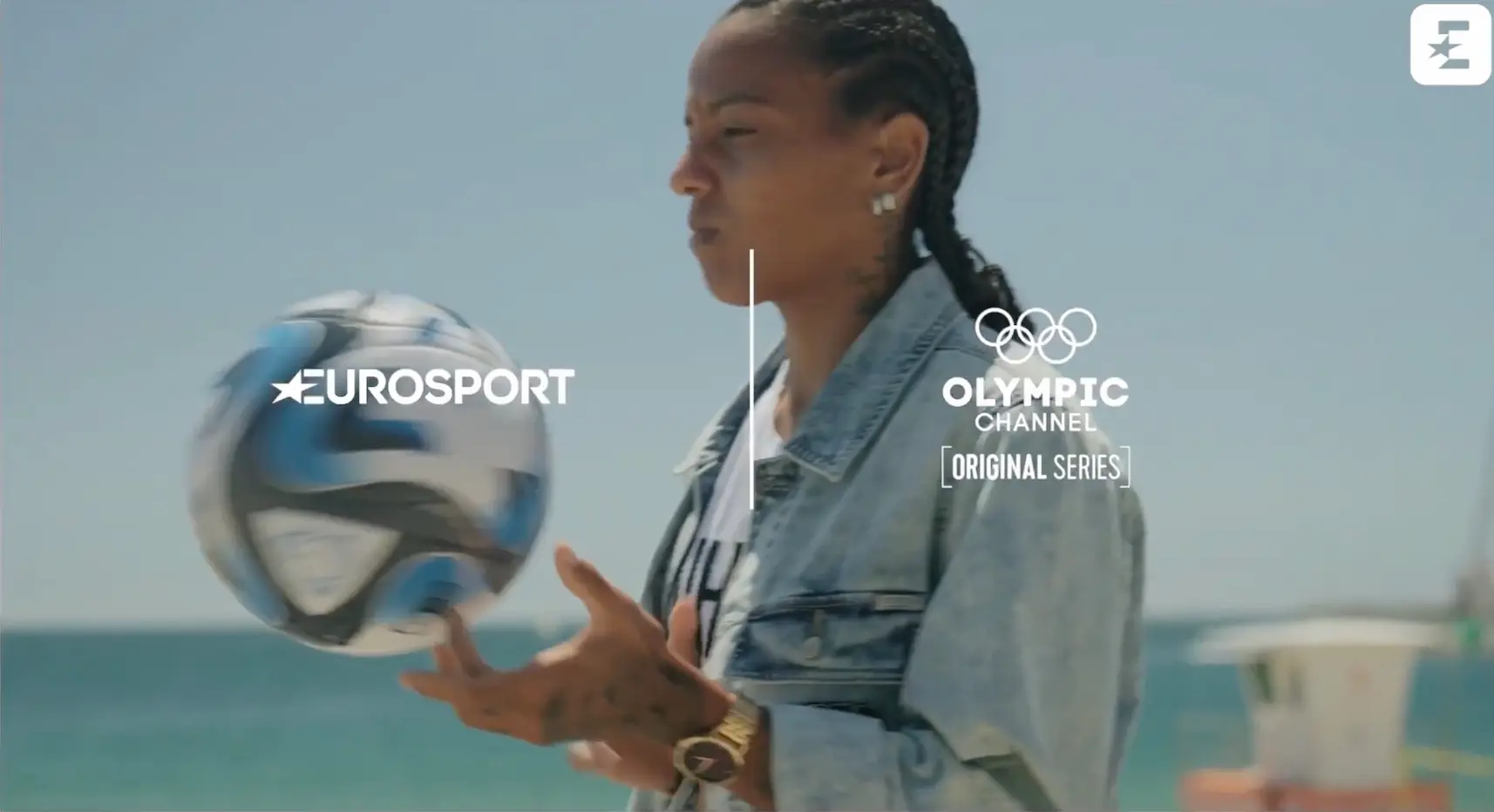
Olympic Channel and Eurosport came to us to produce episodes for their athlete documentary series. Three athletes, three different stories, and the challenge of capturing real, unscripted moments that show who these athletes actually are beyond their sport.
The format was pure documentary, reality over fiction. That meant we needed to be ready for anything while keeping the production quality high.
Building the Right Team
For documentary work like this, you can’t roll in with a massive crew. We kept it agile: one producer, one DOP, two camera operators, a gaffer, a soundman, style and makeup, a drone pilot, and two drivers with vans to keep everything moving.
The crew size mattered because documentary shooting means following the story as it happens, not staging every moment. We needed to be nimble.
The Shoot
Each episode focused on one athlete, which let us really tailor our approach to their story and location.
Iris Tio was the most technically complex. We shot at her house for the intimate stuff, then headed out for training footage that included drone aerials and underwater pool sequences. The underwater work required specialized camera equipment and timing everything around her training schedule.
Carla Neisen took us to France. We handled the location scouting there, coordinated the logistics for both our local crew and the international team members, and shot at her house plus exterior locations. Gimbal and handheld work for the outdoor B-roll to keep that documentary feel.
Geyse Da Silva Ferreira was Barcelona-based. We scouted and shot around Barceloneta for her exterior scenes and built a home-like environment in a studio for her interior interviews. That meant bringing in props, setting up the lighting to feel natural rather than studio-harsh, and creating a space where she could relax and be herself on camera.
The Technical Setup
We shot on Sony FX6, Sony FX3, and Blackmagic 6K. Fixed cameras for the interior interview work, gimbal and handheld rigs for exterior B-roll with Geyse and Carla. The drone and the underwater setup captured Iris from angles you can’t get any other way.
Each camera choice had a reason. Documentary work needs cameras that perform in unpredictable light and can move fast when the moment’s right.
What We Handled
Beyond the obvious crew and camera work, we managed the full logistics: coordinating our Barcelona-based crew with international professionals, scouting locations in Barcelona and France, sourcing props for Geyse’s studio setup, and providing all the lighting and audio equipment.
Two drivers with vans kept everything moving between locations and made sure gear, crew, and talent got where they needed to be.
Why It Worked
Documentary productions live or die on two things: the crew’s ability to capture real moments without getting in the way, and the logistics holding together when you’re shooting across multiple locations.
We’ve done enough international sports content to know that the production coordinator role matters as much as what’s happening behind the camera. Get the logistics wrong and it doesn’t matter how good your DOP is.